
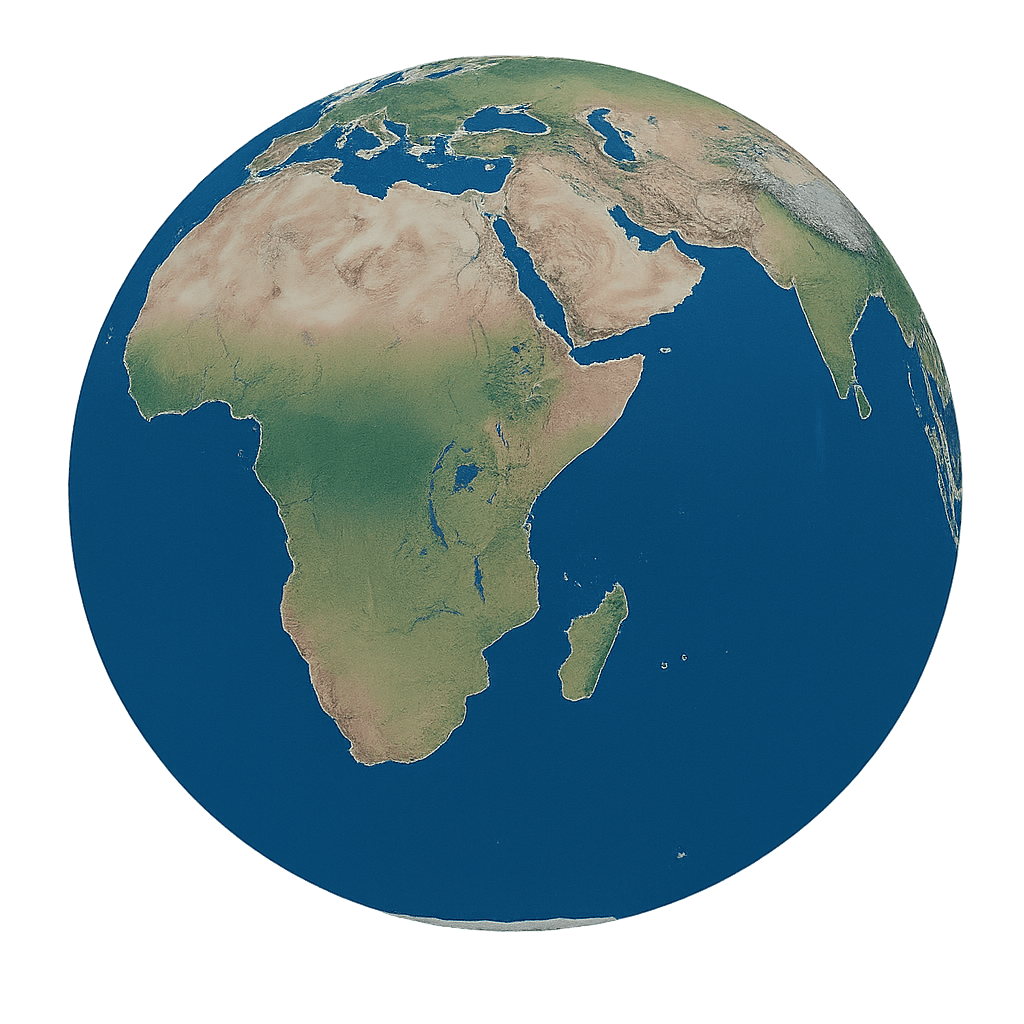
Strait of Hormuz Shipping Risk: The UK Maritime Trade Operations (UKMTO) reported an incident involving a tanker and “military forces” in the Indian Ocean off Oman, with investigations ongoing—another reminder that Iran-linked maritime tensions can quickly spill into global trade. Iran–U.S. Escalation: After a monthlong lull, the U.S. and Iran exchanged strikes again, with Iran firing missiles toward U.S. bases in Jordan and the UAE following a U.S. attack on Larak Island; oil prices jumped and markets braced for more volatility. Kharg Island in the spotlight: With Kharg Island handling about 90% of Iran’s crude exports pre-war, renewed talk and misinformation around the island underline how fragile Iran’s oil logistics remain during the conflict. Pollution claim in Hormuz: Iran says it seized a cargo ship for dumping oil and semi-solid fuel waste in the Strait of Hormuz, cleaned the spill, and sent the case to the judiciary. Energy price pressure: Renewed fighting pushed crude higher and fed into gasoline-cost concerns, while U.S. moves to expand biofuel exemptions aim to soften fuel prices. Regional diplomacy: UAE officials condemned the latest drone interception as “dangerous escalation,” while PM Modi met Iran’s president at the SCO summit to back dialogue and freedom of navigation.
AGP Executive Report
Your go-to archive of top headlines, summarized for quick and easy reading.
Note: AI summary from news headlines; neutral sources weighted more to help reduce bias in the result. Feedback is welcome. Please let us know if you have any comments or suggestions about the AGP Executive Report.
Strait of Hormuz Pollution: Iran says it seized a bulk carrier near Hormuz after it allegedly dumped burnt oil, bilge water and industrial sludge, cleaned the water and sent the case to the judiciary—another reminder that shipping risks are rising even as tensions flare. US-Iran Escalation & Energy Shock: After a month-long lull, the US and Iran exchanged strikes again, pushing Brent above $90 and raising fears of renewed disruption to the world’s key oil corridor. Kharg Island Claims Questioned: Iran dismissed Trump’s AI-made “Kharg Island blown up” video claim, saying conditions were calm and operations continued—while misinformation adds to market nerves. Renewables Reality Check: A new explainer tackles common questions about renewable electricity reliability and affordability, stressing grids can stay dependable when variable sources are paired with storage and other low-carbon power. Climate Disaster Toll: Nepal and Tibet flash floods tied to climate impacts have killed 900+ workers and left thousands missing, with rescue teams still searching hydropower tunnels. Water & Energy Safety: UAE intercepted an Iranian drone over its waters, underscoring how conflict is spilling into regional infrastructure and environmental risk.
Strait of Hormuz risks: The U.S. says it struck Iranian rocket launchers near Larak Island, after reporting Iranian preparations to fire rockets carrying sea mines into the waterway. Maritime pollution watch: UKMTO reported a tanker hit by an unknown projectile off Oman (no casualties or environmental damage reported so far), while Iran-linked reports claim tankers were turned back—raising fears for oil, gas and fertilizer shipments. Shipping disruption: The conflict has kept traffic reduced and pushed up costs across the region, with Pakistan’s fuel import bill jumping sharply amid higher oil and LNG prices. Energy security ripple: A World Bank warning flags delayed fertilizer deliveries could cut Bangladesh rice output, driving food prices and poverty risk as global fertilizer prices rise. Policy pressure: U.S. Treasury Secretary Scott Bessent said more sanctions are coming to clamp down on Iran-linked transactions, adding another layer of uncertainty for trade and energy flows. Regional unity rhetoric: Iran’s supreme leader urged Muslim countries to confront their “real enemy,” as tensions and attacks continue across the Middle East.
Strait of Hormuz Shipping Shock: Iranian IRGC-linked enforcement has sharply cut tanker traffic through the Strait of Hormuz, with daily crossings collapsing from about 130 ships to under 20 during peak tension, as Tehran blacklisted 45 tankers and even stopped vessels—raising fresh biosecurity fears that stranded ships could spread invasive species. Iran-US Energy Pressure: The wider fallout is hitting global energy costs and sanctions pressure, with the US warning of secondary sanctions tied to Iranian oil and transactions, while markets watch whether Hormuz stays constrained. Climate-Economy Investment Push: Canada’s “clean climate economy” summit highlights how major climate projects can stall when funding thresholds are too high—an indirect reminder for Iran’s renewables and pollution-linked transition planning. Flood and Heat Risks: Nepal’s Himalayan flash flooding and Tibet’s mudslide aftermath underline how extreme weather is worsening across the region, with rescue operations complicated by rising rivers. Water & Environment Research: An Iran-based study links phytochemical-rich diets to lower odds of diminished ovarian reserve, adding to the growing health-environment research ecosystem.

Strait of Hormuz & energy security: Iran’s Foreign Minister Abbas Araghchi says Iran’s rivals are using media to manipulate energy prices and the “information environment,” as the U.S. pushes an “economic war and isolation” campaign. Power & efficiency: Iran says a new 290-megawatt steam unit at the Dalahoo combined-cycle plant in Kermanshah is feeding the grid by reusing exhaust heat from gas turbines—boosting total capacity to 910 MW without extra fuel lines. Climate risk & disasters: A major flood in Nepal is linked to glacier collapse in the Himalayas, adding to a week of heat-driven extremes worldwide. Regional diplomacy: Egypt and Türkiye urge stronger de-escalation efforts and stress restoring the Iran–U.S. diplomatic track. Biodiversity & wildlife trade: Qatar’s migratory bird hunting season has revived falcon sales at Souq Waqif, with traders expecting shipments from Iran and other countries.
Strait of Hormuz & energy shock: New reporting on six months of the Iran war shows how Hormuz disruptions are driving up fossil-fuel costs worldwide, pushing governments and firms toward renewables while raising pressure on households and businesses far from the conflict. UK household hit: UK analysis estimates nearly £10bn in added energy and road fuel costs since Feb. 28, with more expected if prices stay elevated. Hormuz biosecurity risk: Scientists warn that stranded ships in the Strait could carry invasive species, creating a major international biosecurity threat. Iran-Oman corridor talks: Iran and Oman continue discussing ways to manage traffic and reopen a temporary shipping lane through Hormuz. SCO summit in Bishkek: Leaders including Iran’s President Pezeshkian and India’s Modi are set to meet Sept. 1 for the Shanghai Cooperation Organization summit, with security and regional economic cooperation on the agenda. Nuclear test warning: A new op-ed marks Aug. 29 as International Day against Nuclear Tests, tying past fallout to today’s nuclear buildup risks. US Navy readiness strain: A report says the Iran war has caused “shortfalls in payroll” and deferred maintenance, raising concerns about military sustainability.
Strait of Hormuz & sanctions pressure: Iran’s war-driven leverage keeps focus on Hormuz as Tehran signals tougher control of shipping and the U.S. pushes wider economic isolation, while Qatar and Oman keep urging de-escalation and safer corridors. Cyber & energy security: Iran-linked hackers are again tied to major disruption risks, including a UK power plant outage, underscoring how conflict spills into critical infrastructure. Fuel prices & pollution spillover: Iran war costs are still feeding into higher gasoline prices; Georgia is using an EPA emergency fuel waiver to boost supply, a reminder that regional conflict can quickly translate into more emissions and air-quality stress. Climate-disaster reality check: Nepal’s floods are linked to a collapsed glacier, highlighting how extreme weather and fragile mountain systems can turn deadly fast. Water diplomacy stakes: Pakistan’s Ishaq Dar warns that weaponizing shared rivers under the Indus Waters Treaty would have “profound consequences,” a key reminder that climate and conflict pressures often hit water first.
Strait of Hormuz Diplomacy: Iran says it’s drafting “practical steps” and conditions for reopening the Strait of Hormuz as Qatar pushes de-escalation talks with Tehran, linking any restart to concrete US actions and wider war-related relief. Shipping Risk & Human Cost: Six months into the US-Iran conflict, the IMO says up to 400 ships and about 6,000 seafarers remain unable to depart safely, after attacks and a brief evacuation plan were disrupted. Energy Pressure: The war’s ripple effects keep hitting costs and markets, with reports tying the conflict to higher fuel and energy prices and ongoing uncertainty around Hormuz flows. Iran’s Military Posture: Iran’s defense officials say new weapons, equipment, and tactics will be held back under a “surprise” principle for any future war. Climate Disaster Reminder: Nepal-Tibet floods show how extreme weather can turn deadly fast, with rescue efforts continuing as the death toll rises.
Strait of Hormuz Diplomacy: Qatar pushed Iran in Tehran on an interim framework to reopen the Strait of Hormuz, while both sides discussed “freedom of navigation” and conditions to restart talks with the US amid sanctions pressure. Shipping Security & Environment: A tanker was hit by an “unknown projectile” near Oman’s Khasab; UKMTO said the fire was extinguished and there was no reported environmental damage, but authorities are investigating and mine/attack risks remain. Hormuz Shipping Tensions: Oil prices edged up as hopes for a wider Iran-Oman navigation deal hit stumbling blocks, with reports that Trump is not keen to return to a June ceasefire. Iran War Fuel Pressure: A US think-tank update says Iran’s fuel crisis is worsening with gas shortages and social strain risks, as decision-makers keep hardline stances despite economic pressure. Climate Disaster Link: Nepal and Tibet floods after a glacier collapse killed 390+ and left 1,400+ missing, underscoring how climate-driven extremes can rapidly become humanitarian and environmental emergencies. Energy Transition Backlash: In the US, a canceled offshore wind settlement is tied to a $900m payout for a Trump-linked donor-linked firm, highlighting how policy shifts can reshape emissions and coastal risk planning.
Strait of Hormuz Shipping Risk: A tanker was hit by an “unknown projectile” near Oman’s Khasab; the fire was extinguished, crew were safe, and no environmental impact was reported, but authorities are investigating and urging caution as attacks continue. Diplomacy for a Corridor: Qatar’s PM met Iran’s FM Abbas Araghchi in Tehran, discussing a temporary joint shipping corridor and a joint demining plan for Hormuz, with both sides stressing freedom of navigation. Regional Security Proposal: Iran’s President Pezeshkian floated a “mutual security and non-aggression pact” among Muslim countries plus a mediation mechanism to prevent conflicts before they escalate. Cyber Threats to Water: US CISA says more than 100 internet-exposed water and wastewater systems were targeted in July, highlighting systemic weaknesses in critical infrastructure that can affect drinking-water safety. Climate & Water Stress: A report warns major lakes could shrink sharply this century, with the Caspian Sea facing large declines that would disrupt ecosystems and potentially release dust and pollutants.
Strait of Hormuz Negotiations: Iran and Oman moved toward a temporary Strait of Hormuz corridor, with Tehran warning the waterway stays closed unless the U.S. accepts its terms, as Qatar’s PM prepares to travel to Tehran to push de-escalation and protect freedom of navigation. Energy Shock & Costs: The IMF said the global economy has so far weathered the Iran-war energy shock better than feared, but fiscal stress is rising; meanwhile, Qantas reported the U.S.-Iran war has already cost it more than $420m via fuel spikes. Iran’s Fuel Crunch: Iran’s officials warned gasoline imports are blocked by the U.S. naval blockade, with Tehran and other cities seeing long pump lines as the situation becomes “not sustainable.” Cyber Threats to Water: The FBI expanded probes into cyberattacks on U.S. water systems, including a confirmed breach at a Kansas water-utility tech firm, underscoring infrastructure risk. Climate/Environment Policy: UK rules are set to allow plug-in solar panels to go on sale, aiming to cut household grid electricity use.
Strait of Hormuz Shipping: Iran and Oman agreed on a temporary maritime route and mine-clearance steps to manage traffic in the Strait of Hormuz, but Iran says the waterway won’t fully reopen until US commitments under a June interim deal are met—while tanker attacks and disabled ships keep raising spill and ecosystem risk. Renewables Push: Europe and Asia are accelerating renewable energy plans as the strait disruption cuts oil and LNG flows, with reports noting renewables gains alongside a rise in coal where round-the-clock power is needed. Energy Bills Pressure: In the UK, Ofgem raised the household price cap by 4% to about £1,723 from October, with analysts warning of further increases—fuelled by the Iran-linked energy shock. Environment Under Fire: Lebanon officials accuse Israel of scorched-earth tactics that have burned large areas of forest and farmland in the south, as extreme heat worsens wildfire impacts. Desertification/Climate Diplomacy: Sri Lanka’s environment minister addressed UNCCD efforts and held talks with Iran and other partners, keeping climate adaptation on the agenda.
Strait of Hormuz Shipping Safety: Iran and Oman held talks in Tehran on a phased plan for a temporary joint navigational corridor and a joint mine-clearance project, as attacks and disruptions keep raising shipping risk and costs. Tanker Attack Off Oman: A tanker was disabled after an “unknown projectile” struck its engine room near Oman, with no immediate casualties reported but fresh concerns for environmental spill risk and energy supply. Iran Tightens Hormuz Rules: Iran’s PGSA blacklisted 45 “non-compliant” vessels, including two Indian ships, warning of fines, seizure, or confiscation for future transits. Regional Diplomacy Push: Qatar’s PM and Iran’s FM discussed the same interim Hormuz framework, stressing freedom of maritime navigation. Humanitarian Ripple Effects: The Red Cross warned that Hormuz disruption could still hit communities through 2027, affecting fuel, fertilizers, and food deliveries. Energy Price Pressure: Oil price swings tied to Iran tensions continue to feed broader inflation worries and fuel costs.
Strait of Hormuz Shipping Risk: A tanker near Oman’s Musandam coast was hit by an unidentified projectile, disabling its engine room; no crew injuries were reported, but officials flagged unclear environmental impact and growing spill fears. Hormuz Enforcement: Iran says 45 tankers breached transit rules and warns of fines, detention, and cargo confiscation, adding vessel-specific pressure on already strained shipping. Sanctions Pressure on Iran: China vowed to keep cooperating with Iran despite US “economic D-Day” sanctions, arguing most Iranian oil goes to China and unilateral measures violate international law. Iran Sanctions Plan: Iran says it has a two-year program to manage the new US sanctions campaign targeting “economic lifelines” like shipping and digital assets. Maritime Security & Cyber: Reports highlight rising cyberattacks on maritime operations technology, and a UK power plant shutdown was linked to Iran-linked hackers via a compromised contractor. Energy & Climate Angle: Analysts say the Hormuz crisis is accelerating the global shift toward renewables as fuel supply risk grows.
Strait of Hormuz Tensions: A tanker reported being struck by an “unknown projectile” near Oman, disabling its engine room; crew were said safe and environmental impact is still unclear, as the incident follows fresh U.S. sanctions talk. Diplomacy vs Escalation: Saudi Arabia and France urged a negotiated solution with Iran and rejected any direct or indirect navigation fees in Hormuz, calling for normal shipping to resume. Sanctions Pressure: U.S. Treasury Secretary Scott Bessent launched “Operation Economic Outcast,” targeting Iran’s aviation, digital assets, gold, shipping and technology, while experts say it may be more of a warning than a full “D-Day.” Cybersecurity & Water Risks: U.S. cyberattacks on water systems prompted new state funding in New York to harden utilities, with experts pointing to Iran-linked activity amid the wider conflict. Fuel & Air Quality: The U.S. EPA fast-tracked a cheaper winter fuel blend to pumps, while the move raises concerns for pollution and health impacts during hot months. Local Cost Shock: Gasoline hit $26+ per gallon in Shungnak, Alaska, as low river water disrupted deliveries—showing how climate and logistics can quickly become a public health issue.
Strait of Hormuz Rules Tighten: Iran’s Persian Gulf Strait Authority says vessels that ignore Iranian protocols could face fines, detention, or confiscation, and urges cargo owners to check a “non-compliant” list before chartering. Parliament Sets Fees: Iran’s parliament committee has approved a plan to charge “authorized” ships passing Hormuz for navigation, environmental services, insurance, safety, and special-condition refuelling—pending full parliament and Guardian Council review. Sanctions Pressure Hits the Rial: As the US prepares a new “economic D-Day” package, Iran’s rial slid to a record low, underscoring how shipping and oil constraints are feeding economic stress. Red Sea Security Escalates: A tanker caught fire after an “unknown projectile” strike off Saudi Arabia’s Yanbu; no environmental impact was reported, but the incident adds to risks for regional maritime routes. Climate Shock Looms for Shipping: NOAA upgraded El Niño odds, warning drought could disrupt the Panama Canal and reduce daily transits—another blow to global trade and supply chains. Food System Strain: War, weather, and shipping disruptions are battering wheat trade routes and harvest prospects, pushing up breadbasket prices.
Strait of Hormuz Pressure: Iran’s Persian Gulf Strait Authority (PGSA) has published a “Non-Compliant Vessels” list, warning that ships accused of violating transit rules could face future restrictions including fines, detention, or seizure—part of Tehran’s tighter grip on the chokepoint amid the Iran war. Maritime Fees Move Forward: Iran’s parliament committee approved provisions to charge fees for “authorized” ships transiting Hormuz, covering navigation, environmental services, insurance, safety, and special-condition refueling, with the draft now headed for a full vote. Escalation Warnings: Iran’s security chief warned Gulf neighbors that cooperating with US sanctions could shut the Strait of Hormuz entirely, while US CENTCOM said it has redirected 70 commercial vessels and boarded two as part of a naval blockade enforcement. Cyber-Infra Risk: A report says Iran-linked hackers forced a UK power plant offline for four days in 2024 by targeting industrial control systems via vendor access. Climate & Water Stress: Europe’s extreme summer heat is drying major rivers like the Rhine to record-low levels, threatening drinking water, power cooling, and inland shipping. Energy Market Shock: Oil prices jumped again on Hormuz impasse fears, with Brent up sharply over two weeks.
Cybersecurity & Energy Security: Iran-linked hackers shut down a UK power plant for four days in July, with officials stressing the wider grid wasn’t at risk—still, it’s a stark warning for critical infrastructure defenses. Water & Climate Risks: A new study argues refilling the dried-up Aral Sea could cut greenhouse gas emissions and unlock carbon-credit funding, while a separate report highlights a sharp rise in water-related conflicts worldwide. Gulf Shipping & Pollution Threats: With Strait of Hormuz tensions driving rerouting, Iraq asked Iran for special permission for more tankers to pass, and South Korea is testing an Arctic route to Europe—environmental groups warn it could accelerate polar ice melt and disrupt fragile ecosystems. Iran’s Living Conditions: President Pezeshkian says Iran is in a “full-scale economic, military and security war,” citing severe strain across water, electricity, gas, fuel, the environment, and banking. BRICS & Sustainability: India’s BRICS presidency pushes “resilience… and sustainability,” while BRICS sports ministers adopted a joint declaration and held a friendship cycling event promoting cleaner mobility.
Strait of Hormuz & shipping risk: A projectile hit the Liberia-flagged bulk carrier Minoan Dignity while exiting Hormuz, damaging the engine room and killing the chief engineer; no environmental impact was reported. Diplomacy for de-escalation: Egypt’s FM Badr Abdelatty and Iran’s Abbas Araghchi discussed creating conditions for de-escalation and resuming the US-Iran MoU, while stressing freedom and safety of navigation in the Gulf. Arctic route shift: South Korea sent its first commercial container ship to Europe via the Arctic’s Northern Sea Route as Middle East tensions disrupt lanes; environmental groups warn the melting-ice route could accelerate polar ice melt. Cyber & critical infrastructure: Iranian-affiliated hackers reportedly shut down a UK power generator for four days, and US authorities warn Siemens controllers used in water and other infrastructure are being targeted with AI-assisted hacking. Iran’s internal pressure: Iran’s parliament speaker Qalibaf warned military strength can’t endure without economic stability and meeting basic needs, as hunger and instability threaten resilience. Energy & prices: Oil and LNG markets rose on renewed Hormuz uncertainty and US-Iran economic pressure, with Asian LNG prices hitting a five-month high.
Strait of Hormuz & shipping risk: Iran and Oman renewed calls for consultations to resume dialogue and ease tensions affecting navigation in the Strait of Hormuz, as regional instability keeps pressure on maritime traffic. Arctic climate & trade: South Korea is sending its first trial container ship through the Arctic route to Europe amid Middle East war disruptions, but environmental groups warn the ice-melt corridor could accelerate polar warming. Water security & drought: El Niño-linked drought is drying key waterways, with Sudan’s Nile far below normal and farmers reporting delayed rains and shrinking river levels that threaten food production. Humanitarian fallout: UNICEF says Somalia’s child severe malnutrition cases jumped 32% in early 2026 as drought worsens and aid cuts force closures of hundreds of health and nutrition facilities. Tourism & sustainability diplomacy: BRICS tourism ministers adopted the Jaipur Declaration, prioritizing AI for destination management, responsible tourism, skills building, and easier travel facilitation. Detained pilots health: Iran says detained pilots in Qatar are in deteriorating health due to poor conditions and urges urgent transfer to hospital care.
Sign up for:
Iran Environment Today
The daily local news briefing you can trust. Every day. Subscribe now.
Check Your Email!
We sent a one-time activation link to: .
Confirm it's you by clicking the email link.
If the email is not in your inbox, check spam or try again.
Welcome back!
is already signed up. Check your inbox for updates.