
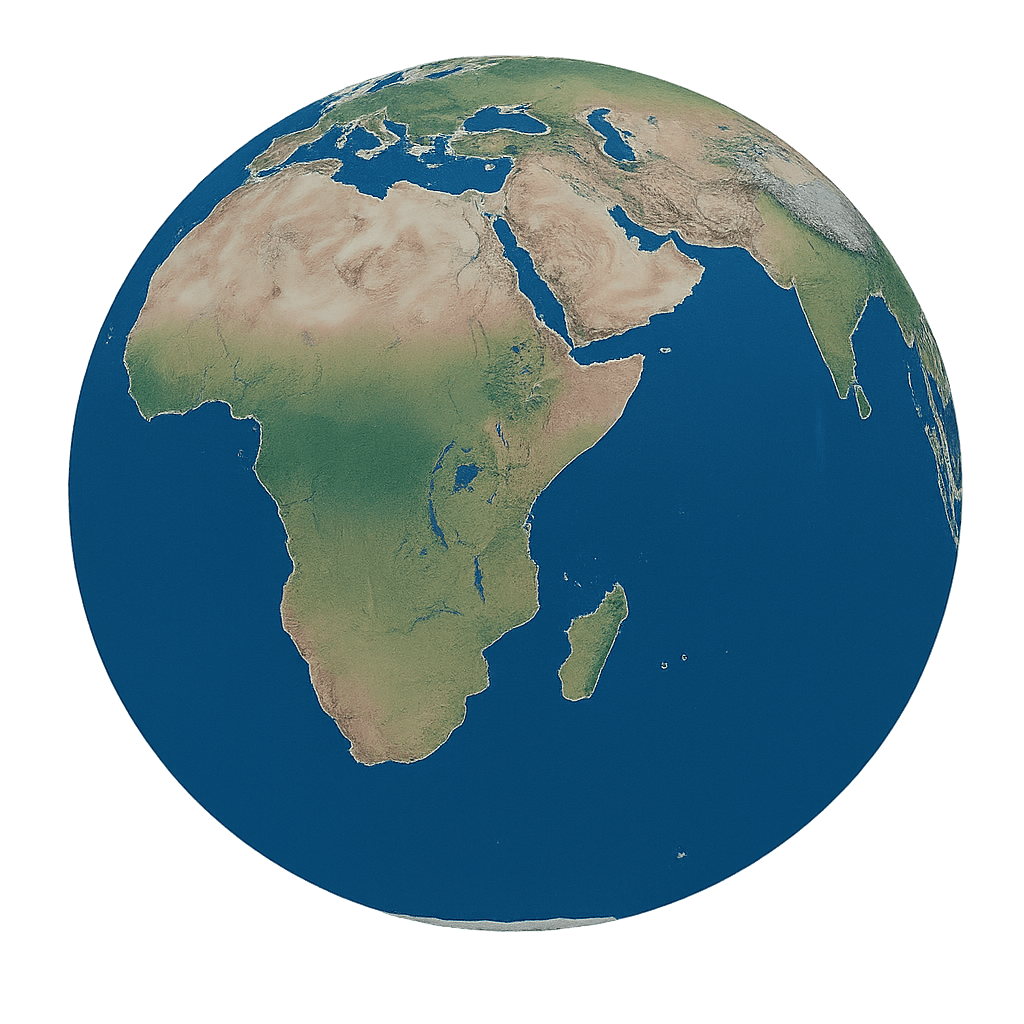
Strait of Hormuz & Shipping Risk: Iran–Oman talks on reopening the Strait of Hormuz remain tense, with Iran linking any restart to US concessions and even floating service fees—while US forces report actions against vessels trying to breach the blockade, keeping freight and energy uncertainty high. Water & Cybersecurity: After suspected Iranian-linked cyberattacks on water systems, US lawmakers push new protections for utilities, as experts warn critical infrastructure is still too easy to hit. Drought, Heat & Food Security: Europe’s heat and drought are squeezing harvests and raising food-price fears, with the UK warned it could face its worst food security crisis in decades. Climate Tech & Efficiency: A drone-and-software irrigation approach is helping farmers cut pumping time and save millions of gallons—an example of practical climate adaptation. Energy Transition Pressure: Reports highlight how fossil-fuel-heavy power for AI data centers is expanding, raising emissions concerns even as EV sales rebound. Regional Security: Iran’s military leadership reshuffle signals tighter coordination across the army and IRGC as the Gulf remains volatile.
AGP Executive Report
Your go-to archive of top headlines, summarized for quick and easy reading.
Note: AI summary from news headlines; neutral sources weighted more to help reduce bias in the result. Feedback is welcome. Please let us know if you have any comments or suggestions about the AGP Executive Report.
Strait of Hormuz & shipping security: Iran and Oman say talks on a safer, temporary Strait of Hormuz shipping arrangement are in an advanced stage, but Tehran insists reopening hinges on specific U.S. concessions and demands, keeping global trade and energy flows on edge. Energy & climate ripple effects: Oil prices are swinging on Hormuz deal hopes and compensation demands, feeding broader inflation worries and raising the stakes for heat- and drought-driven food price pressure. Water infrastructure under cyber threat: Suspected Iran-linked hackers targeted U.S. water utilities in at least a dozen states, exposing how easily small municipal systems can be compromised and renewing calls for stronger protections. Regional conflict impacts on environment: In southern Lebanon, an Israeli “double-tap” strike reportedly hit rescuers and damaged an ambulance, while civil defense said personnel were targeted while trying to extinguish a bushfire. Food and water stress: Drought, water rationing, and dry rivers are highlighted as an unfolding water crisis, with climate-driven extremes worsening pressure on supplies. Media freedom & public safety: Iran’s crackdown on journalists and execution-related reporting continues, with officials framing journalism as part of the “narrative war.”
Strait of Hormuz Pressure: Iran and Oman are nearing a new shipping arrangement, but Tehran says the Strait won’t fully reopen until the U.S. meets demands including compensation, sanctions relief, and an end to threats—while Iran’s parliament has approved a strategic action plan for “security and sustainable progress” in the Hormuz and Gulf. Maritime Costs & Policy: Iran also signals it wants service fees for passage, as U.S. oil markets react to the stalled reopening and Trump escalates demands for compensation, adding uncertainty for global energy flows. Cybersecurity for Water: Reports say Iran-linked hackers tried to seize control of municipal water systems in the U.S., prompting calls for stronger rules and faster reporting when attacks happen. Climate & Food Risk: A forecast warns “super El Niño” conditions could push tens of millions toward acute hunger, with climate change amplifying the impact. Heat Stress on Nature & Industry: Italy’s “cheese banks” face strain as extreme heat threatens collateral and the wider dairy economy. Wildlife/Environment Note: UNDP and partners marked Caspian Sea Day with an environmental awareness event for children in Avaza.
Strait of Hormuz Talks: Iran says its negotiations with Oman on a safer shipping route are moving “smoothly and constructively,” with a traffic map agreed and new mechanisms planned to cover safe passage, environmental protection, maritime services, and tackling “maritime crimes.” Transit Fees: Iran’s foreign ministry also reiterated that maritime service costs and fees would be charged, but said details on transit fees are not being discussed “at this stage.” US Conditions: Tehran stressed the Strait won’t fully reopen until Washington meets Iran’s demands, including ending its naval blockade of Iranian ports, keeping the corridor’s future tied to US-Iran standoff dynamics. Governance & Coordination: Iran dismissed claims of rifts between state institutions over Hormuz security legislation, saying the ministry and parliament are fully coordinated on traffic management plans.

Strait of Hormuz Security Law: Iran’s parliament committee has approved a strategic action plan to secure the Strait of Hormuz and the Persian Gulf, including a bill that would bar US and Israeli vessels and restrict Israel-linked cargo, with fines up to 20% of cargo value and Iranian authorities taking charge of shipping monitoring and security. Hormuz Diplomacy Pressure: As Iran and Oman near a framework for a safer shipping route, Tehran says reopening hinges on US concessions, while US President Trump signals a more cautious approach to escalation. Maritime Risk for Energy: With Hormuz transit still under threat, the wider knock-on effects are hitting fuel prices and shipping reliability, raising new energy-security concerns across the region. Caspian Sea Governance: Iran is moving to ratify the long-delayed Caspian Sea legal status convention, citing changing security conditions and aiming to support economic cooperation. Climate & Heat Stress: A new wave of extreme heat is framed as a class issue, with housing and infrastructure gaps leaving vulnerable communities exposed. Water Cybersecurity Watch: Reports continue to highlight fears of Iran-linked cyberattacks targeting water systems, underscoring the environmental and public-safety stakes of digital threats.
Strait of Hormuz Talks: Iran says a temporary shipping corridor deal with Oman is “very close,” but reopening the waterway still hinges on broader US concessions, including compensation and an end to threats and sanctions—while Oman condemns repeated vessel attacks and warns against actions that could derail negotiations. Maritime Safety & Energy Security: The UAE and Bahrain condemned reported missile attacks on ADNOC-linked tankers in Hormuz, calling them violations of international law and urging the UN to deter attacks that threaten navigation and global energy supplies. Regional Water Stress: Iraq says it reached understandings with Turkey and Syria to increase water releases amid a prolonged Tigris-Euphrates crisis, as upstream dam flows continue to squeeze Iraq’s water rights. Climate & Drought Impacts: A UK farmer warns heat and drought are pushing growers to abandon planting on part of their land, raising fears of future food shortages. Fertilizer Trade Shock: A Greenpeace Unearthed report links Iran-war shipping disruption to higher urea prices and windfall gains for Russian exporters, highlighting how Hormuz disruptions ripple into global food inputs.
Strait of Hormuz Security: Iran says it’s close to a deal with Oman for a new shipping route, but insists reopening won’t happen without U.S. concessions—lifting the naval blockade, ending sanctions, unfreezing assets, compensation, and stopping attacks on regional allies—while the UAE reports another missile strike on an ADNOC-linked vessel, raising fresh safety and pollution fears for the world’s key oil chokepoint. Maritime Pollution Risk: Yemen’s transport ministry condemned an explosive-laden Houthi boat attack near Mokha, saying authorities detonated it before it reached a restricted zone, warning that any tanker hit could trigger oil spills and damage to waters, beaches, and marine life. Energy Pressure: With Hormuz disruptions continuing, the U.S. Strategic Petroleum Reserve fell to 304.81 million barrels, the lowest since 1983, underscoring how shipping instability can quickly translate into higher prices and supply risk. Human Rights & Environment Link: Iran Human Rights says executions returned to near-daily pace, with at least 71 in July, as international attention stays locked on the war—an internal crackdown that can also strain public services and environmental governance.
Strait of Hormuz Shipping Deal: Iran and Oman say they’ve finalized a general framework to ease commercial shipping through the Strait of Hormuz, with a joint statement still being drafted and final approval pending at top levels—raising hopes for restoring energy flows after disruption. Maritime Pressure & Fees: Reporting around the talks suggests Iran is pushing for tighter control of transit, including service fees and restrictions on “hostile” vessels, a stance that could keep shipping uncertainty high even if a corridor reopens. Regional Security Spillover: Iran’s criticism of the Saudi–Turkey–Pakistan “Mecca” defense pact underscores how West Asia’s security realignments are now directly shaping trade routes and the environment of maritime risk. Climate & Food Stress: Extreme weather and conflict-linked supply shocks are worsening food security pressures, with drought and heat cited as major threats to harvests and global food prices rising. Water & Cybersecurity: Separate coverage highlights how suspected Iran-linked cyberattacks have targeted water systems in multiple places, adding another layer of environmental risk through infrastructure disruption.
Strait of Hormuz Watch: U.S. Treasury Secretary Scott Bessent said Washington could reach an agreement with Iran to reopen the Strait “today or tomorrow,” aiming to normalize shipping and stabilize energy prices—though security risks remain as vessels report attacks near the route. Maritime Security: UAE’s ADNOC reported 15 of its vessels attacked in the Strait of Hormuz since the conflict began, with one crew death and 20 injuries, underscoring how disrupted chokepoints can ripple into global supply chains. Regional Defense Shockwaves: Saudi Arabia, Türkiye and Pakistan signed the “Mecca Joint Defence Agreement,” treating an attack on one as an attack on all—while Iran dismissed it as a “paper agreement” that won’t bring security. Water Cybersecurity: A DEF CON Franklin offshoot and the National Rural Water Association launched a Water Watch Center to help small utilities defend against cyberattacks, after reports of suspected Iran-linked targeting of water systems across multiple U.S. states. Energy Transition Backlash: The Trump administration continued rolling back offshore wind, with RWE giving up U.S. leases and shifting money toward gas projects—an affordability-versus-climate fight that’s getting louder.
Hormuz Shipping Rules: Iran’s parliament is reviewing a draft bill to set a “strategic action” framework for the Strait of Hormuz, including a ban on U.S. and Israeli vessels and penalties for violations, while Iran and Oman continue talks on a temporary 60-day reopening plan with service fees and navigation conditions. Energy & Food Pressure: Markets are reacting to Hormuz uncertainty and extreme heat: Europe’s record temperatures are squeezing rivers like the Rhine, raising transport costs, and adding to food-price inflation as conflicts and weather worsen supply. Cybersecurity & Water Risks: Separate reporting highlights growing concern about cyberattacks on water systems and the need for tighter public-private defenses for critical infrastructure. Public Health & Climate Context: A new review reiterates lifestyle-focused management for PCOS, while broader coverage links climate-linked disasters to rising humanitarian strain. Regional Security: Iraq reiterates “no turning back” on disarmament to keep weapons in state hands, amid ongoing militia-related tensions.
Critical Infrastructure Cybersecurity: A CNN report says cyberattacks hit water systems in at least a dozen US states, with officials warning that many utilities rely on poorly secured, internet-connected industrial controllers—raising fears that future attacks could tamper with chemical dosing even if drinking water safety wasn’t compromised this time. Strait of Hormuz Shipping Rules: Iran and Oman say they’re nearing a deal on new Hormuz traffic lanes and coordinates, including a possible interim corridor and mine-clearing steps; meanwhile, Iran’s parliament is also reviewing a draft “strategic plan” that would bar US- and Israel-linked vessels and impose fines—an approach analysts warn could shift control of one of the world’s key chokepoints. Food Security via Fertiliser Bottlenecks: Research highlights how Strait disruptions can quickly become food crises by choking sulphur supplies for phosphate fertiliser processing, with knock-on effects for African import-dependent farmers. Regional Energy Cooperation: Pakistan and Iran agreed to expand electricity cooperation beyond the current 100MW, with a second transmission line discussed—alongside talks on agriculture and food products.
Strait of Hormuz Shipping Shock: Commercial traffic through the Strait of Hormuz has nearly stalled, with only two commodity vessels passing in a day as Iran and Oman near a new transit corridor deal—yet shipowners and insurers still doubt safety. Diplomacy vs Control: Iran and Oman say they’ve agreed on route coordinates, but Tehran stresses the framework won’t equal a full reopening and that security isn’t guaranteed, while the U.S. signals progress and keeps insisting on its own red lines. Environmental Angle: The near-freeze in one of the world’s biggest oil and LNG chokepoints is a reminder of how quickly maritime disruption can ripple into pollution risks, coastal impacts, and energy-driven emissions. Water Security Threats: Separate reporting highlights suspected Iran-linked cyberattacks on U.S. water systems, underscoring how conflict can spill into critical environmental infrastructure. Climate Lessons: A study on California’s 2020–2022 drought finds groundwater pumping can permanently damage aquifers—an urgent warning for drought-hit regions facing climate stress.
Water Security Under Cyber Threat: U.S. officials say suspected Iran-linked hackers hit water systems in at least a dozen states, with some utilities forced into manual operations after attackers accessed remote-control equipment like pumps and valves; federal agencies urged utilities to cut internet links for control systems and tighten passwords. Hormuz Shipping Deal Talks: Iran and Oman say they’ve agreed on coordinates for a new Strait of Hormuz route and are drafting a joint statement, while Iran warns the strait won’t be “safe” without changes to U.S. actions; Trump meanwhile hints an agreement could be finalized within days. Food Prices Risk: FAO warns another wave of food price surges is building as wars in Ukraine and the Middle East, plus El Niño, raise costs and cut yields—linking Hormuz disruption to higher input and transport costs. Regional Diplomacy: Qatar’s PM and foreign minister stressed dialogue and freedom of navigation in Hormuz, backing efforts to defuse tensions and reach sustainable peace. Hunger and Conflict: Denmark pushes a UN Security Council debate on ending starvation in war as conflicts and Hormuz disruptions worsen global food insecurity. Energy Shock Spillover: Reports tie Hormuz uncertainty to fuel and shipping cost pressures, with markets watching draft deal signals and inventory data.
Water Security: Metro Atlanta’s Clayton County Water Authority is still probing a July 27 outage that hit about 300,000 homes and businesses, after federal investigators said malicious cyber actors targeted water utilities’ automated control systems. Maritime Environment: As Iran-Oman talks near a Strait of Hormuz reopening, officials say routes could be managed by Iran and Oman with “service fees,” while ship traffic remains disrupted and oil prices swing. Public Health & Infrastructure: The same wave of suspected cyberattacks has spread across U.S. states, with warnings that tampering can degrade water pressure and increase contamination risk. Climate & Extremes: Indonesia’s Southeast Asia grid is struggling to handle more frequent extreme storms, with recent blackouts blamed on fragile transmission capacity—raising concerns for clean-energy investment. Biodiversity & Heritage: Iran’s Chabahar faces serious health-service strain, while conservation news highlights Ramsar progress elsewhere in the region. Energy & Pollution: Big oil profits are surging on Iran-war-driven price spikes, renewing pressure on governments to curb price gouging and address long-term emissions impacts.
Strait of Hormuz Update: Iran and Oman are edging toward a deal to reopen the Strait of Hormuz, with ships entering via an Iranian-controlled route and exiting through an Oman-controlled one, while “service fees” would fund security and environmental protection; US officials say a breakthrough could come today or tomorrow, but Iran’s port blockade relief remains a key condition. Maritime Environment Risk: Even amid optimism, reports of fresh attacks and ships idling raise concerns about pollution and invasive species spread from hulls during prolonged disruptions. Water Infrastructure Cybersecurity: Suspected Iran-linked cyberattacks have targeted municipal drinking water systems across at least a dozen US states, prompting federal warnings to disconnect internet-connected controls and boost defenses; New Hampshire says it has no evidence of similar attacks so far. Climate Accountability: Satellite-based research suggests oil and gas and some mining activity in the Middle East and North Africa emit more carbon than official records show, meaning climate goals may be farther off than governments expect. Energy Pressure on Society: With Hormuz uncertainty driving oil and fuel volatility, the wider region continues to face higher costs and supply risks that ripple into food and power security.
Strait of Hormuz Deal Talks: Iran and Oman are nearing an agreement to restart commercial shipping, with ships entering the Gulf routed through a channel controlled by Iran and outbound traffic handled via an Omani lane; reports say there’s no toll, but a “service fee” would cover environmental impacts, maritime security, and staffing—while the US disputes Iran’s version and Pentagon officials worry it could effectively concede leverage to Tehran. Water Security Fallout: A coordinated cyberattack hit more than 30 Minnesota water utilities and also affected systems in Michigan, with federal agencies linking the pattern to Iranian hackers; officials say operations were protected via contingency plans, but the incidents highlight how fragile critical infrastructure can be. Lithium Mining Backlash: South African farmers are protesting lithium prospecting and potential open-pit expansion, warning it could displace communities and threaten jobs across farmland and coastal areas. Oil Profits vs. Public Pressure: BP reported $5.7bn Q2 profit as Iran-war disruptions lifted refining margins, drawing criticism that energy firms are profiting while households face higher costs.
Water Security Under Fire: The FBI says malicious hackers targeted programmable logic controllers in water and wastewater systems in at least seven U.S. states, with some attacks degrading operations; Minnesota reported activity across 30+ community water systems, while Michigan said nine systems were hit but all continued operating safely. Iran-Linked Cyber Warnings: CISA previously warned of Iranian-affiliated targeting of internet-connected operational technology, and federal guidance urges utilities to disconnect PLCs from the internet, tighten password protection, and limit remote access. Local Response Funding: New York’s SECURE grant program is handing thousands of dollars to towns to run cybersecurity assessments and fix gaps in water system defenses. Climate Fight in Court: A conservative group, GeoFight, is preparing lawsuits against solar geoengineering startups, arguing weather-modification/geoengineering efforts could face backlash and legal challenges. Strait of Hormuz Pressure: As Iran-U.S. tensions and Hormuz shipping risks continue to shape energy markets, a fresh pause in strikes has helped ease oil prices and calm inflation fears.
Strait of Hormuz Tensions: Iran-linked conflict risk stayed in focus as the IRGC claimed it shot down a US MQ-9 Reaper drone over the Strait of Hormuz, underscoring how quickly military moves can disrupt one of the world’s key energy chokepoints. Diplomacy vs. Leverage: Trump said negotiations with Iran would begin after calling off planned strikes, framing it as a tactical pause while keeping pressure on the table. Energy Pressure on the Environment: With Hormuz disruptions driving oil volatility, the knock-on effects are already showing up in wider energy costs and demand shocks—an environmental stressor for the region’s air, water, and coastal systems. Climate & Heritage Signals: UNESCO added Iran’s Alamut Castle to the World Heritage list, a reminder that protecting landscapes and historic sites matters even as conflict escalates. Local Resilience: In the US Gulf, officials plan Raccoon Island restoration using oil-spill settlement funds, with the Iran-war shifting project costs—another example of how geopolitics can reshape environmental protection timelines.
Strait of Hormuz risk: A UK report warns the Strait of Hormuz staying closed into 2027 could slash growth and lift inflation, underscoring how Iran-linked tensions keep energy and climate-linked cost shocks in play. Shipping and LNG impacts: New incidents show how the Hormuz corridor is still under attack pressure, with LNG vessels hit and fires reported near Damietta, raising spill and air-quality risks for coastal ecosystems. Water security fallout: Cyberattacks disrupting US water systems in multiple states are being investigated, with Iran suspected; even without confirmed public-health impacts, the threat highlights how conflict can spill into environmental infrastructure. Diplomacy vs escalation: US-Iran talks remain uncertain as officials weigh military readiness, while regional leaders stress dialogue and freedom of navigation—key for protecting marine biodiversity and reducing pollution from rerouted shipping. Local environmental politics: In Iran’s wider region, economic strain and instability are also hitting daily life and local markets, adding pressure to already fragile environmental and public-health systems.
Water Security: The FBI and EPA warn that “malicious cyber actors” have been tampering with internet-connected control systems at water and wastewater utilities in the U.S., causing loss of pressure and flooding; intelligence officials suspect Iran after a coordinated Minnesota attack, and the alert follows reports of hacks spreading across multiple states. Marine Biodiversity: With traffic stalled near the Strait of Hormuz, scientists warn idling ships could become a “super-spreader” for invasive species via organisms growing on hulls, threatening ecosystems when routes reopen. Energy & Shipping Pressure: Trump says the U.S. will pause a planned strike on Iran if a deal is reached, including “immediate, complete, and total” reopening of the Strait of Hormuz—while regional advisories urge Americans to consider leaving amid escalation fears. Climate/Policy Watch: Italy moves toward a legal framework for next-generation nuclear power, arguing it can boost low-carbon electricity and energy security amid shocks from the Ukraine and Iran wars. Desert Restoration: Abu Dhabi announces a native-plant aerial seeding program using AI and remote sensing to restore degraded desert habitats and strengthen biodiversity.
Sign up for:
Iran Environment Today
The daily local news briefing you can trust. Every day. Subscribe now.
Check Your Email!
We sent a one-time activation link to: .
Confirm it's you by clicking the email link.
If the email is not in your inbox, check spam or try again.
Welcome back!
is already signed up. Check your inbox for updates.